

ViviMate is VPN compatible, so you can keep a VPN switched on while you watch. A VPN isn't required, and for many people it makes no difference, but in the right situation it can help. This guide explains when a VPN is worth using and how to set it up without slowing your streams down.
What a VPN does
A VPN (virtual private network) encrypts the traffic between your device and a VPN server and sends it on from there. Your internet provider can see that you're connected to a VPN, but not what passes through it. Everything takes a slightly longer route, which adds a little delay and uses some extra bandwidth.
ViviMate doesn't provide a VPN and isn't affiliated with any VPN provider. Use a VPN in line with the laws where you live and the VPN provider's own terms.
When a VPN can help
- Busy evenings or big events. Some internet providers manage video traffic at peak times. If streams buffer only during busy periods, a VPN can sometimes give a steadier result.
- Public or shared Wi-Fi. In hotels, cafés or shared accommodation, a VPN adds privacy on a network you don't control.
- Privacy preference. Some people simply prefer that their provider can't see what they stream.
If your streams are already smooth, a VPN probably won't make them better, so you don't need one. The short answer is also in the ViviMate FAQ.
Where to install the VPN
| Option | Works for | Good to know |
|---|---|---|
| VPN app on the device | Fire TV, Android, iPhone and iPad, Mac and PC | Easiest to set up; you can turn it on and off per device. |
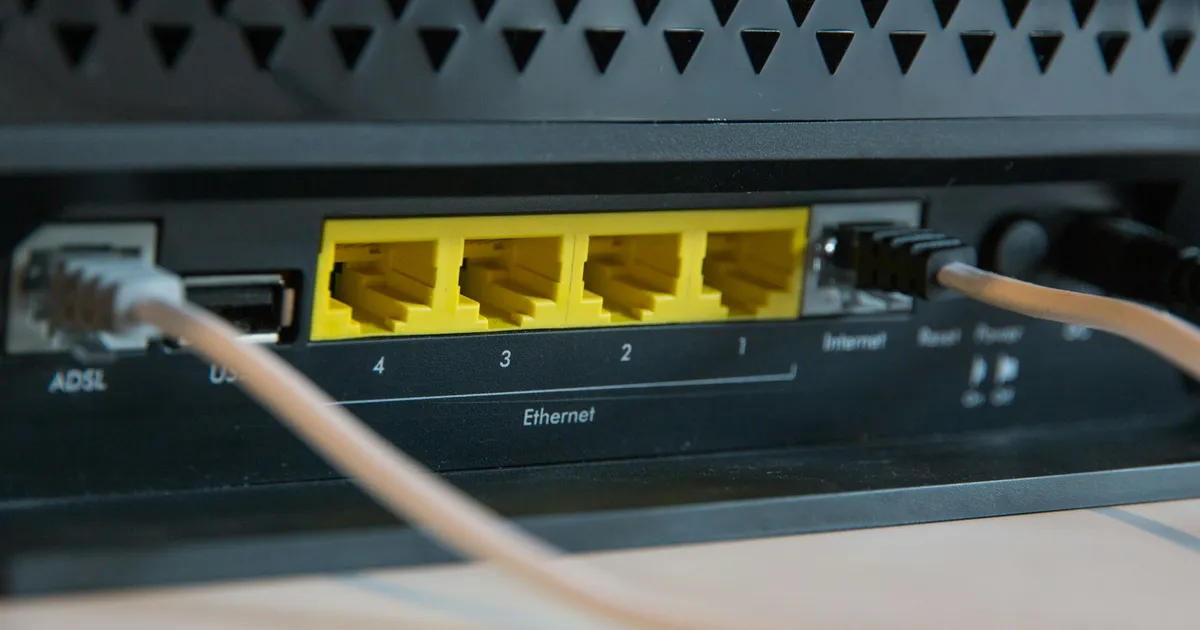
| VPN on your router | Everything on the network, including Smart TVs and MAG boxes | Useful for devices that can't run VPN apps. Needs a router that supports it; affects all your traffic. |
Smart TVs and MAG boxes usually can't run VPN apps, so a router-level VPN is the usual option for them. Device-specific setup lives in our guides for Firestick, Android, iPhone and iPad and Mac and PC.
Settings that keep streaming fast
- Choose a nearby server. The further away the VPN server, the more delay and the lower the speed.
- Use a modern protocol. Many VPN apps offer WireGuard or a provider-specific equivalent, which tends to be faster than older protocols.
- Use split tunnelling if offered. Some VPN apps can route only selected apps through the VPN, which avoids slowing everything else down.
- Test with the VPN on. Run the ViviMate speed test with the VPN connected and compare it with the result without it. For 4K, you want a comfortable margin above about 25 Mbps.
VPN problems and quick fixes
| Problem | Try this |
|---|---|
| Streams buffer more with the VPN on | Switch to a closer server or a faster protocol; re-run the speed test. |
| Player won't connect with the VPN on | Try a different VPN server, then restart the player. |
| Everything slowed down after a router VPN | Router processors can limit VPN speed; a device-level app may be faster. |
For buffering that has nothing to do with the VPN, see the ViviMate troubleshooting guide, or contact ViviMate support.